In the realm of electrical engineering and automation, the relay serves as a fundamental component that enhances the functionality and safety of various systems. Among the myriad types available, the 24V 30A relay stands out due to its considerable versatility and application range. With thorough insights into its construction, working mechanism, applications, and advantages, one can appreciate the significance of this device in both residential and industrial settings.
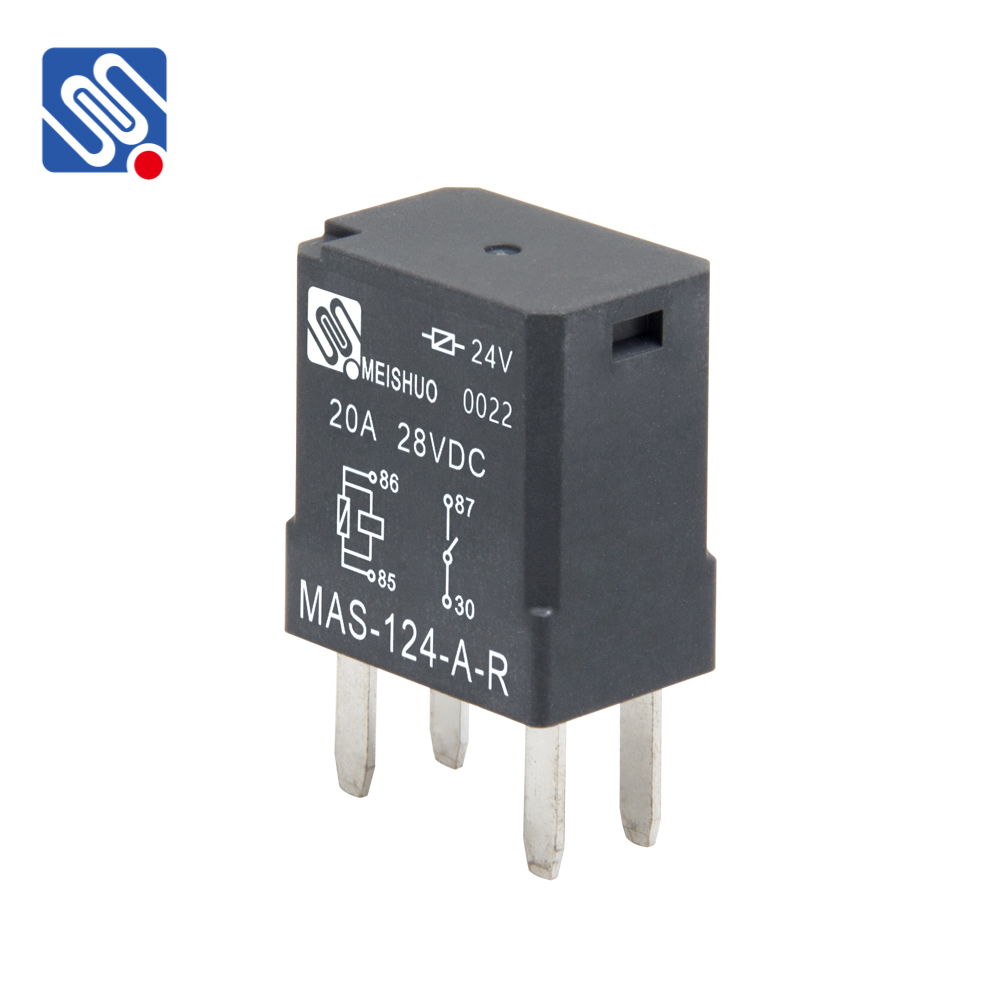
What is a 24V 30A Relay? A relay is an electromechanical switch that allows one circuit to control another circuit without a direct electrical connection between them. The designation “24V 30A relay” indicates that the relay operates with a coil voltage of 24 volts and can switch loads up to 30 amperes. This relay is typically used with direct current (DC) power supply and is a crucial component in systems where control and automation are necessary. Construction of the 24V 30A Relay
At its core, a 24V 30A relay is composed of several critical parts: Coil: The coil is the electromagnetic component of the relay. When a 24V voltage is applied, it generates a magnetic field that activates the switching mechanism.