The 24VDC Power Relay is an essential component in a wide variety of electrical and electronic applications. It serves as a powerful tool in controlling high-power circuits through low-voltage signals, making it a critical part of industrial automation, household appliances, and automotive systems. This article aims to explain the functionality, applications, and important factors to consider when selecting a 24VDC Power Relay.
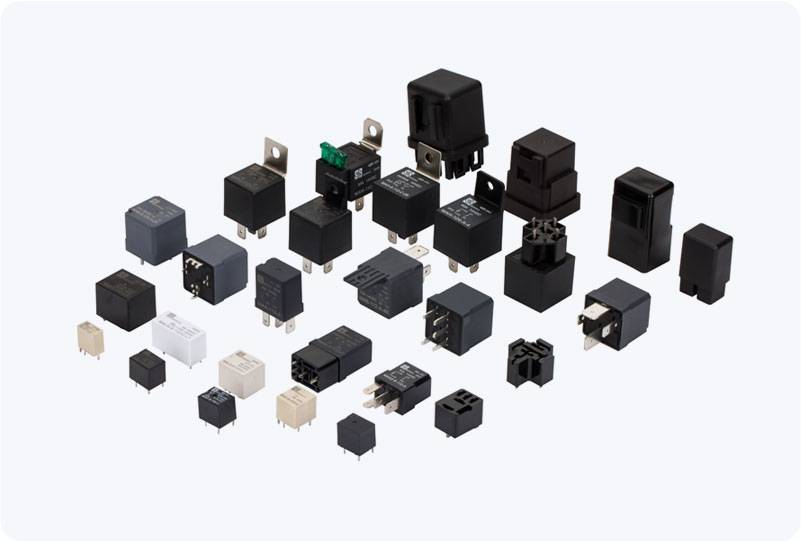
What is a 24VDC Power Relay? A Power Relay is an electromechanical switch that uses an electromagnet to open or close a set of contacts to control a circuit. When an electrical current (in this case, 24VDC) passes through the coil of the relay, it generates a magnetic field, which activates the movement of the relay’s contacts, allowing the relay to either complete or interrupt the electrical circuit in a controlled manner. A 24VDC Power Relay typically operates using a 24V direct current (DC) to energize its coil. When the coil is energized, the contacts are either closed or opened, depending on whether the relay is normally open (NO) or normally closed (NC). This mechanism allows the relay to control high-power devices, such as motors, lights, or industrial machines, while being controlled by a low-power signal from a microcontroller or another low-power source.