The DHT11 Sensor Relay Module is an essential component for various environmental monitoring and automation projects, often used in conjunction with microcontrollers like Arduino. It combines the capabilities of a temperature and humidity sensor (DHT11) with a relay module that can control electrical devices based on sensor data. This integration makes it an excellent choice for home automation, greenhouse monitoring, or any other project requiring environmental regulation. In this article, we’ll explore the features, applications, and setup of the DHT11 Sensor Relay Module.
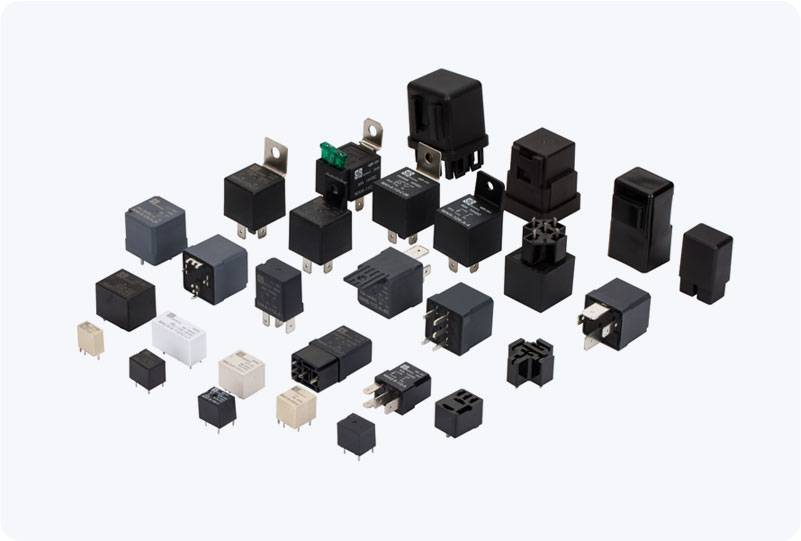
What is the DHT11 Sensor Relay Module? The DHT11 is a basic and low-cost sensor used to measure the temperature and humidity of a given environment. It outputs a digital signal that provides a temperature reading between 0°C and 50°C, with an accuracy of ±2°C, and humidity levels between 20% and 90%, with an accuracy of ±5%. The DHT11 sensor communicates with microcontrollers (like Arduino) through a single data pin, making it easy to interface and implement. The Relay Module, on the other hand, is an electromagnetic switch that allows control of higher voltage devices (such as home appliances, fans, or pumps) using a low-voltage signal from a microcontroller. The relay works by using an electronic control signal to open or close the switch, thereby turning on or off connected devices.