The electromagnetic relay is a crucial component in electrical systems, widely used to control circuits by utilizing the principles of electromagnetism. This small yet powerful device plays an essential role in a variety of applications, ranging from home appliances to complex industrial automation systems. This article explores the working principles, key components, types, and applications of electromagnetic relays, emphasizing their importance in modern electrical systems.
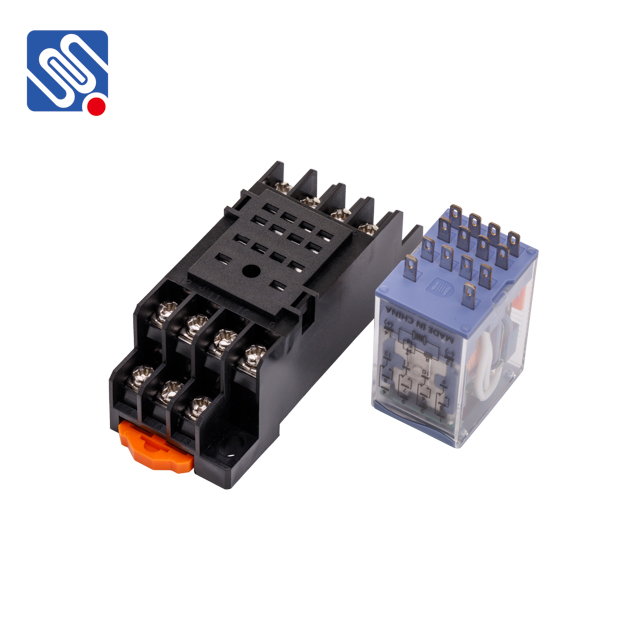
Working Principle of an Electromagnetic Relay At the core of an electromagnetic relay lies the concept of electromagnetism. When an electric current flows through a coil of wire, it generates a magnetic field. This magnetic field attracts a movable armature, which is connected to one or more contacts. These contacts can either close (make the circuit) or open (break the circuit), depending on the relay’s design. The operation of an electromagnetic relay is simple yet effective. When the relay coil is energized, it produces a magnetic field that moves the armature. This motion either opens or closes the relay contacts, depending on the type of relay. Once the coil is de-energized, the armature returns to its default position, typically using a spring mechanism, thereby returning the contacts to their original state.