The electromechanical relay is a crucial component widely used in electrical and electronic circuits. It serves as an electrically operated switch that uses an electromagnet to open or close its contacts. These relays play a vital role in a wide range of applications, from household appliances to complex industrial machinery. In this article, we will explore the working principle, types, advantages, disadvantages, and applications of electromechanical relays.
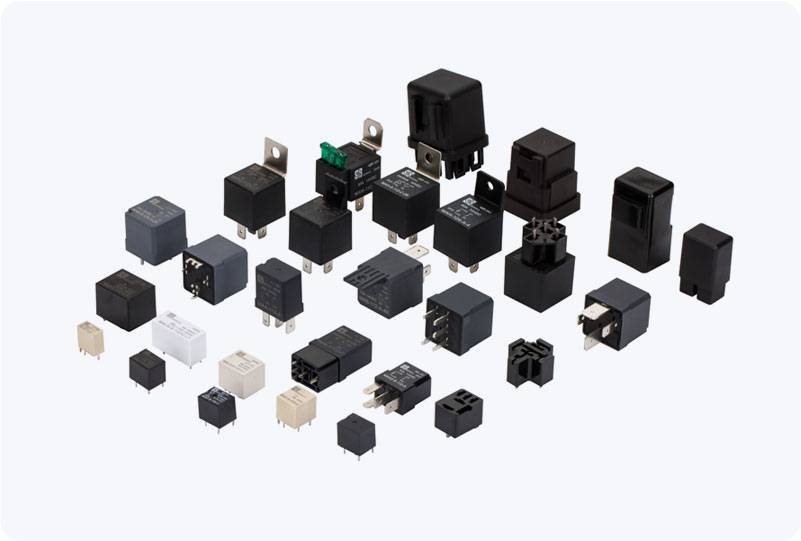
Principle of Operation The fundamental operation of an electromechanical relay relies on the conversion of electrical energy into mechanical motion. The core component of the relay is its electromagnet or coil. When current flows through the coil, it generates a magnetic field, which attracts a movable iron armature. This movement of the armature triggers the opening or closing of electrical contacts. In essence, an electromechanical relay operates as a switch that is controlled by an electromagnet. The relay can either open or close the contacts, depending on the type of relay, to allow or interrupt the flow of current in a circuit. Once the current to the coil is removed, a spring mechanism returns the armature to its original position, which in turn restores the contacts to their initial state.