In today’s rapidly evolving electronics industry, ensuring product safety, environmental compliance, and reliability is more important than ever. Among the many components that make up modern electronic devices, relays are crucial elements that control circuits and protect sensitive equipment from overloads. To ensure that these components meet global standards, CE and ROHS certifications are often mandatory. These certifications guarantee that relays comply with safety, environmental, and health regulations. This article delves into the significance of CE and ROHS Certified Relays, examining their role in the industry and why they are essential for manufacturers and consumers alike.
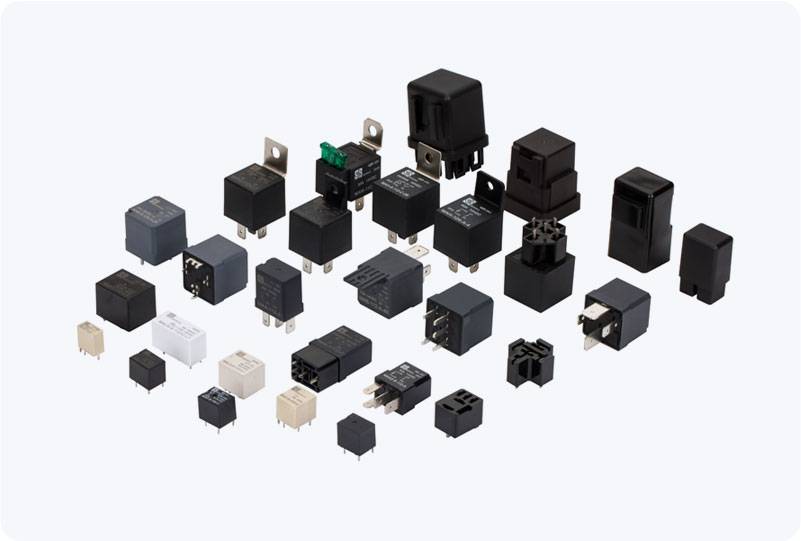
What is a CE Certified Relay? The CE mark stands for “Conformité Européenne” (European Conformity) and indicates that a product complies with the essential requirements of European Union (EU) legislation. For relays, obtaining CE certification signifies that the component has passed various safety, environmental, and electromagnetic compatibility (EMC) tests and meets the EU’s strict standards for electrical products. CE certification for relays ensures that they conform to directives such as the Low Voltage Directive (LVD) and the Electromagnetic Compatibility Directive (EMC), which aim to protect consumers and the environment. For manufacturers, having CE certification not only demonstrates compliance with EU regulations but also enables them to access one of the world’s largest markets. Without CE certification, a relay cannot be legally sold or used in any EU member state.