In the realm of industrial safety, the cardiovascular systems of factories and plants are represented by various pressure vessels, pipelines, and essential machinery designed to operate under a specific pressure threshold. Within this framework, Safety Valve Locks emerge as critical devices that ensure the secure management of safety valves—one of the first lines of defense against overpressure situations. This article delves into the significance, features, and uses of Safety Valve Locks, illustrating their role in fostering a safe working environment.
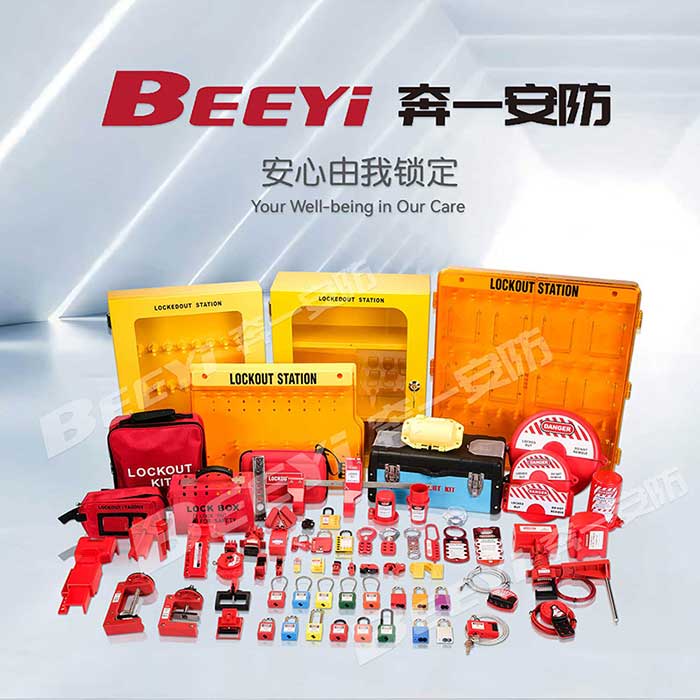
What is a Safety Valve Lock? A Safety Valve Lock is a locking device specifically designed to secure safety valves during maintenance, inspection, and various operational tasks. These locks prevent unintended activation of safety valves, which are meant to release excess pressure within piping systems and equipment. Safety valves automatically react to alarms that signal excess pressure, and if not properly locked, can lead to hazardous situations, including chemical leaks, explosions, or injuries to personnel. Significance of Safety Valve Locks The importance of Safety Valve Locks cannot be overstated. In many industrial settings, the safe operation of equipment relies heavily on controlling pressure. Safety valves are engineered to guard against potential overpressure situations; however, if these valves are inadvertently opened during maintenance or inspection, the consequences can be dangerous. Safety Valve Locks serve as an added layer of protection, ensuring that these vital safety mechanisms do not unintentionally activate when employees are present and working on equipment.