In the world of modern water treatment systems, efficiency and automation are key to ensuring that water resources are managed effectively. One such critical component that aids in the automated operation of these systems is the Water Treatment System Solenoid Valve. This device plays an indispensable role in controlling the flow of water in various stages of treatment, ensuring that processes such as filtration, chemical dosing, and disinfection proceed without interruption. In this article, we will explore the function, importance, and working principles of solenoid valves in water treatment systems.
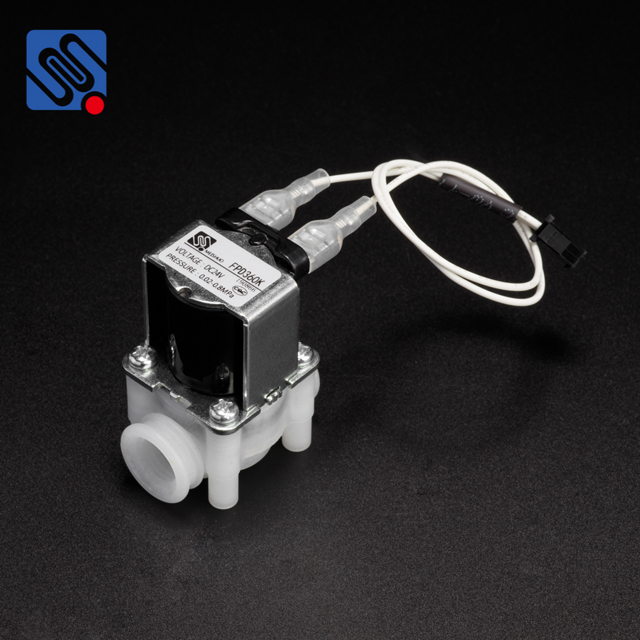
What is a Water Treatment System Solenoid Valve? A solenoid valve is an electromechanical valve used to control the flow of water or other fluids in a system. The valve consists of a coil, a plunger, and a spring. When the coil is energized with an electrical current, it creates a magnetic field that moves the plunger to open or close the valve, controlling the water flow. The solenoid valve is typically used in automated systems where manual operation is impractical or inefficient. In a water treatment system, solenoid valves are crucial for regulating water flow at different stages, from initial filtration to final disinfection. These valves are used to manage processes such as reverse osmosis, water softening, UV sterilization, and more.