A one-way solenoid valve is an essential component in many fluid control systems, enabling the regulation of flow direction in various applications. These valves are typically used in systems requiring precise control of fluid flow, such as in pneumatic, hydraulic, and automated processes. The ability of a one-way solenoid valve to allow fluid flow in only one direction while blocking reverse flow is crucial for the proper functioning of many systems. This article delves into the working principles, types, applications, and benefits of the one-way solenoid valve.
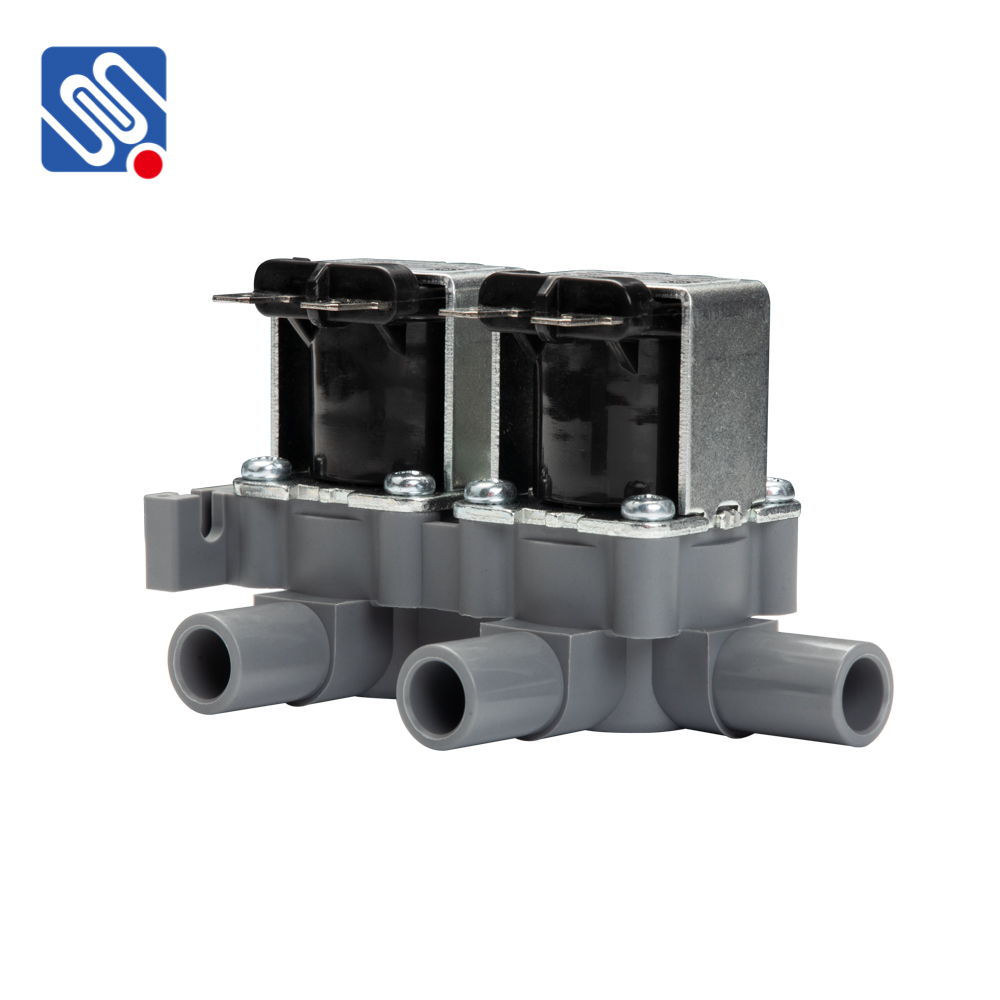
What is a One Way Solenoid Valve? A one-way solenoid valve is a type of electromechanical valve used to control the flow of fluids in a single direction. It is designed to open or close based on the presence of an electric current that energizes the solenoid coil. This action either allows the fluid to flow in the desired direction or blocks the flow completely. The one-way feature of this valve prevents backflow, ensuring that fluid flows only in the intended direction. Working Principle of a One Way Solenoid Valve The working principle of a one-way solenoid valve relies on the interaction between an electric solenoid coil and a valve mechanism. When electrical current is supplied to the solenoid coil, it generates a magnetic field that attracts the valve’s plunger, causing it to either open or close. This opens or blocks the fluid passage, depending on the valve’s design.