A One Way Solenoid Valve is a crucial component in many industrial systems that need to control the flow of fluids—whether it’s gas, air, or liquid. These valves are used to direct the flow in a single direction while preventing reverse flow, providing essential control in fluid and gas handling systems. This article will delve into the key functions, working principles, and real-world applications of the one way solenoid valve.
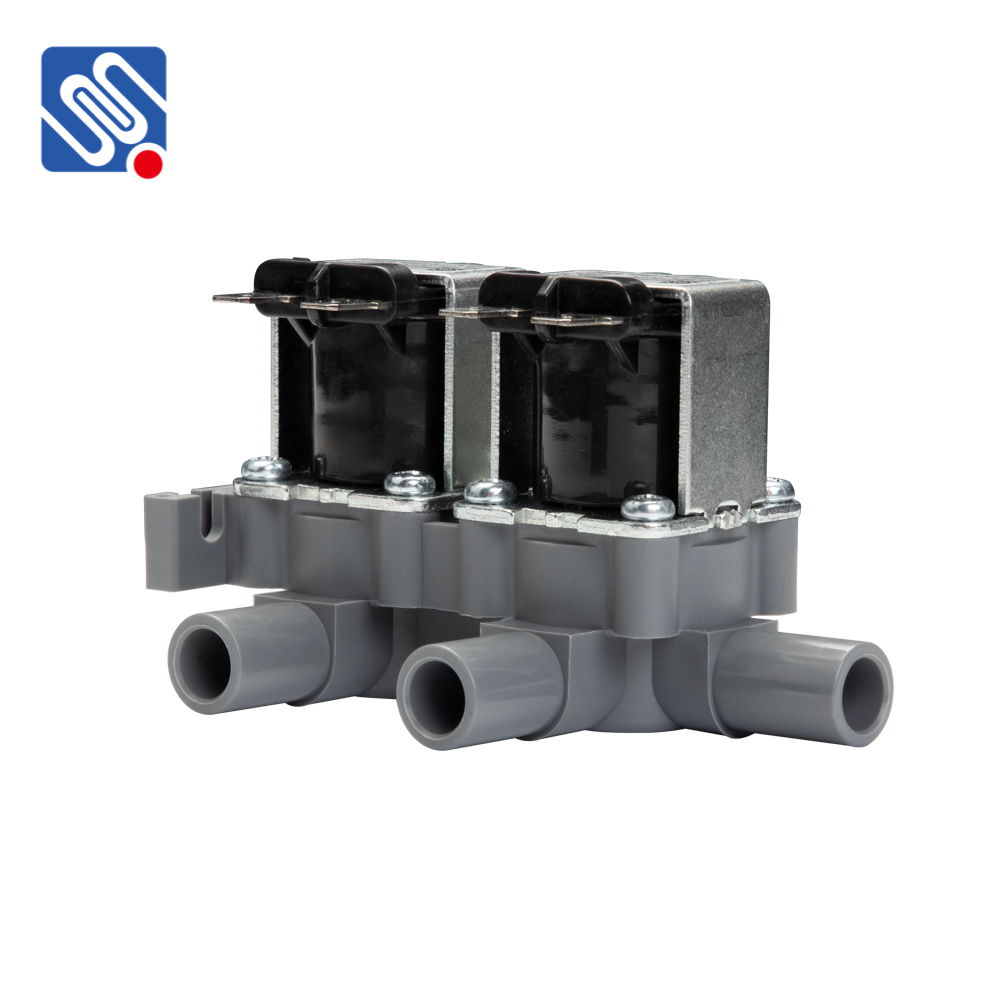
What is a One Way Solenoid Valve? A one way solenoid valve is an electromechanical device designed to allow the flow of fluid in one direction only, while preventing backflow. These valves are typically used in systems where controlling the direction of flow is vital to prevent system damage or inefficiency. The operation of this valve is controlled by an electromagnetic coil, which, when energized, moves a plunger or valve seat, opening or closing the valve to regulate the flow of fluid. Working Principle The working principle of the one way solenoid valve is quite straightforward. It relies on the interaction between an electromagnetic coil and a movable plunger or valve seat. When an electric current passes through the solenoid coil, it generates a magnetic field. This magnetic field pulls the plunger or valve seat, allowing the fluid to flow through the valve. When the current is turned off, the magnetic field collapses, and a spring (or gravity) forces the plunger or valve seat back into its original position, closing the valve and stopping the fluid flow.