The Optocoupler Protected Relay Module is an essential component in modern electronics, widely used to interface low-voltage control circuits with high-voltage or high-power devices. By combining the functionalities of a relay and an optocoupler, this module ensures safe and efficient operation of electrical systems while maintaining the integrity of sensitive control electronics. This article explores the key features, working principles, applications, and advantages of the Optocoupler Protected Relay Module.
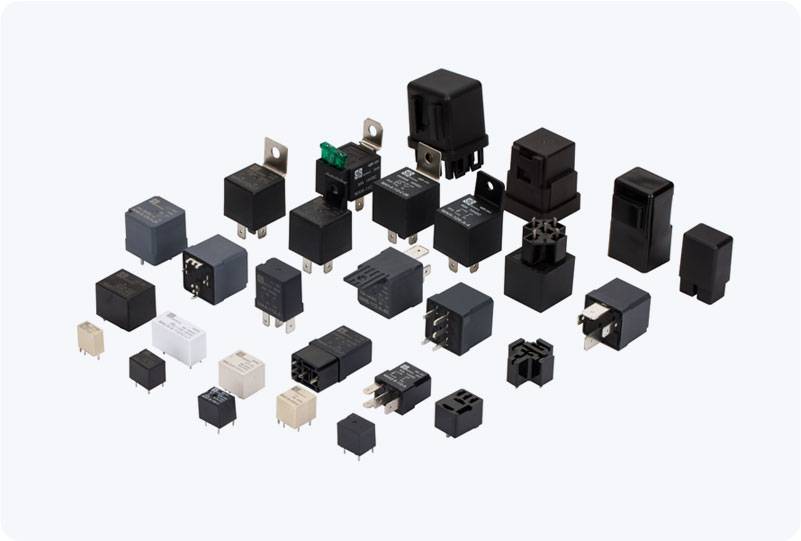
What is an Optocoupler Protected Relay Module? At its core, an Optocoupler Protected Relay Module integrates two primary components: a relay and an optocoupler (also known as an opto-isolator). The relay allows low-voltage circuits to control high-voltage systems, while the optocoupler provides electrical isolation between the control circuit and the high-voltage side. This combination not only ensures safe operation but also enhances system stability by protecting delicate control components from electrical noise, spikes, or interference from the high-power side. How Does It Work? The operation of an Optocoupler Protected Relay Module can be broken down into several key stages: