The Plastic Water Solenoid Valve is an essential component in modern water control systems, widely recognized for its lightweight design, corrosion resistance, and cost-effectiveness. Unlike traditional metal valves, these valves use plastic materials such as PVC, PP, or POM for the valve body, making them suitable for various low-pressure water applications, including domestic, agricultural, and industrial settings. Understanding their working principle, types, and practical uses can help engineers, designers, and hobbyists make informed decisions when selecting valves for their projects.
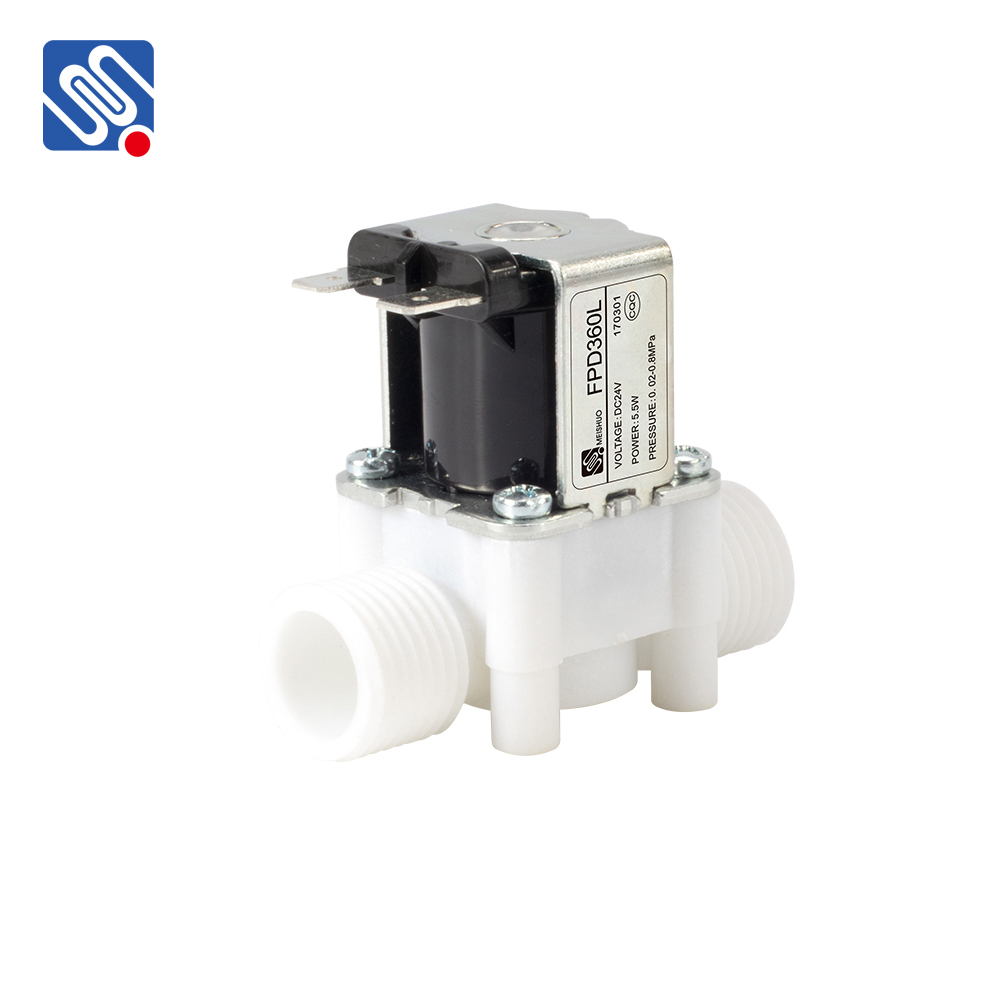
A solenoid valve operates based on an electromagnetic mechanism. It consists of a coil, a plunger, a spring, and a valve body. When an electric current passes through the coil, it generates a magnetic field that moves the plunger, opening or closing the water passage. Most plastic water solenoid valves are designed as normally closed (NC) or normally open (NO). In a normally closed configuration, the valve remains shut when de-energized and opens when powered, allowing water to flow. Conversely, a normally open valve allows water to flow without electricity and closes when the coil is energized. This simple yet reliable mechanism enables precise control of water flow in automated systems.