A PVC Solenoid Valve is an essential component used in fluid control systems across various industries. Made of polyvinyl chloride (PVC), these valves are designed to control the flow of liquids or gases by using electrical signals to activate or deactivate the valve. They are widely used in industries such as water treatment, agriculture, and chemical processing due to their cost-effectiveness, durability, and ease of installation. This article will explore the applications, benefits, and limitations of PVC solenoid valves.
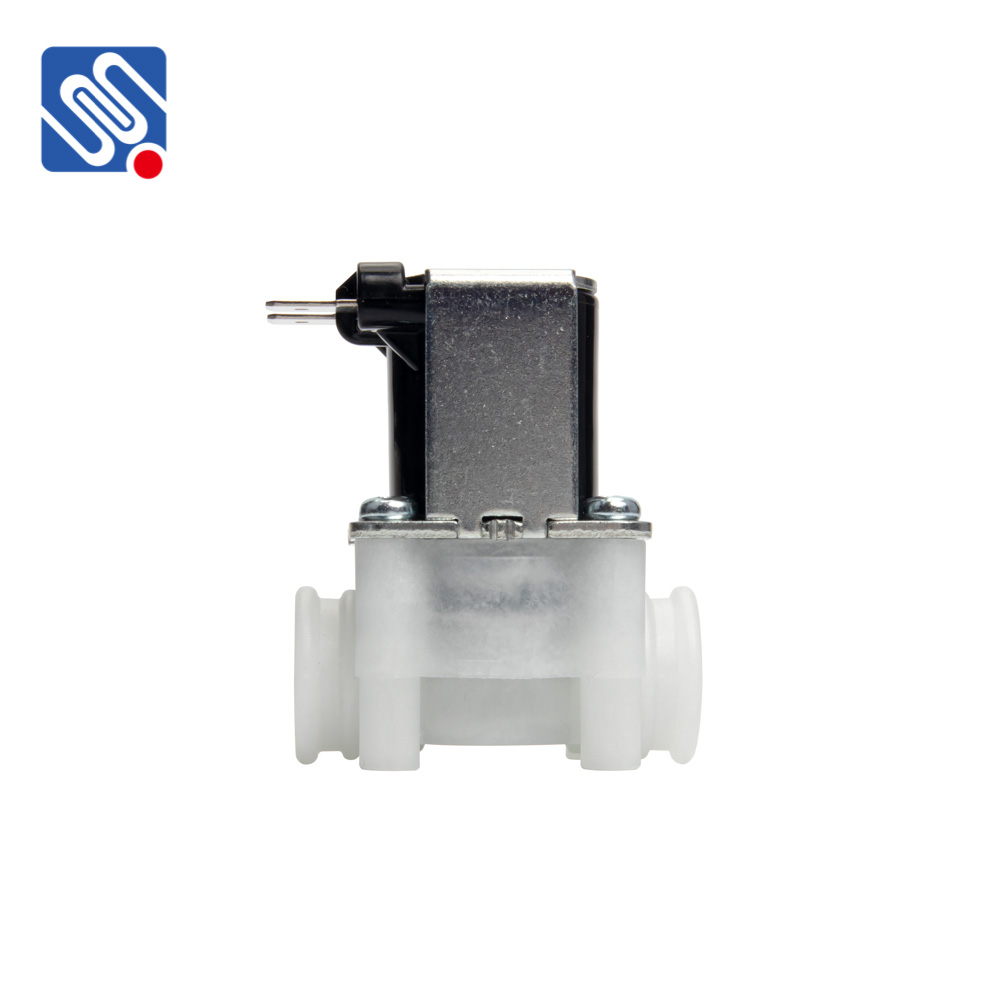
What is a PVC Solenoid Valve? A PVC solenoid valve is an electromechanical device that controls the flow of fluids through a pipe by using a solenoid (an electromagnetic coil). The solenoid creates a magnetic field when electrical current passes through it, which moves a plunger or piston to open or close the valve. The valve’s operation is typically automated, with remote control systems or timers allowing the valve to be opened or closed as needed. PVC, a widely used plastic material, is employed to make the valve’s body, as it is lightweight, durable, and resistant to corrosion. How Does a PVC Solenoid Valve Work?