A PVC Solenoid Valve is an essential component in various fluid control systems, especially in environments where durability, cost-efficiency, and resistance to chemicals are crucial. PVC, or polyvinyl chloride, is a widely used thermoplastic material known for its excellent corrosion resistance and mechanical properties. When combined with the functionality of a solenoid valve, a PVC Solenoid Valve becomes a reliable and cost-effective solution for controlling the flow of liquids in various industrial applications.
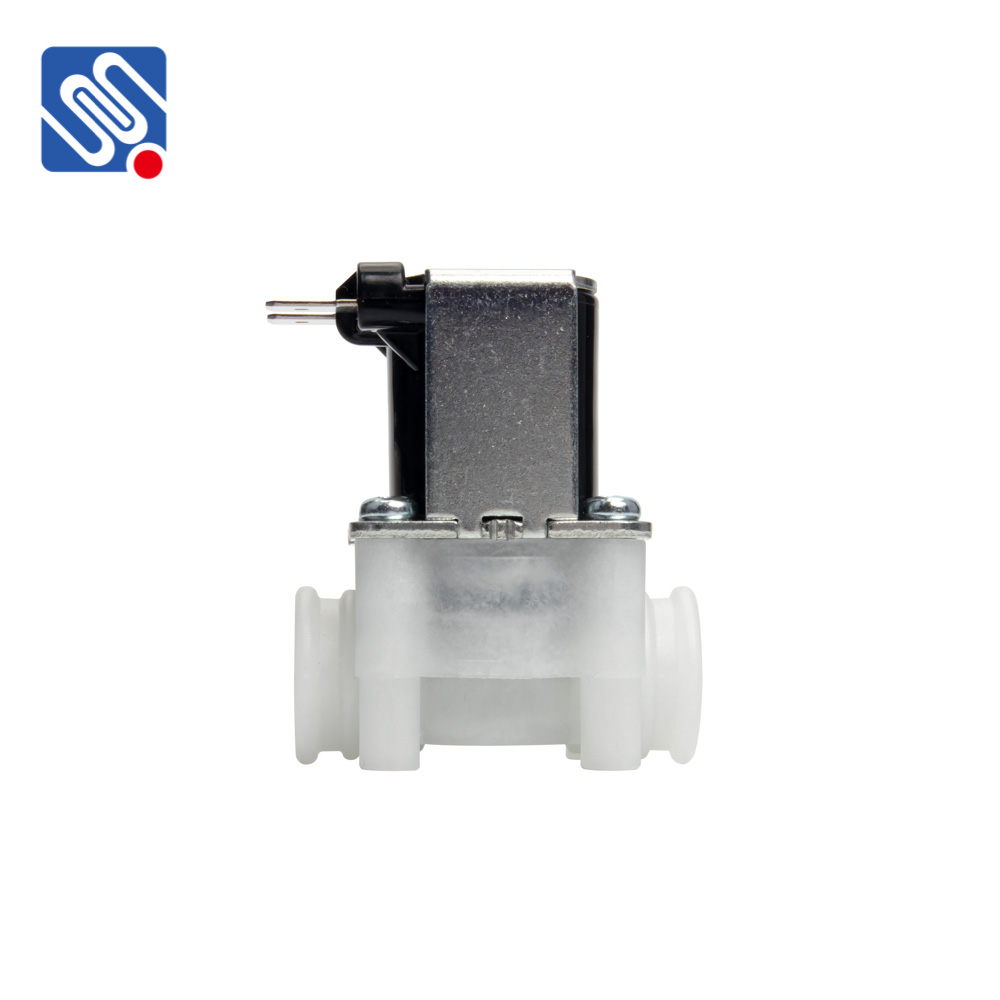
What is a PVC Solenoid Valve? A PVC Solenoid Valve is a type of electrically controlled valve that uses a solenoid (an electromagnet) to open or close the valve mechanism. The valve is typically made from PVC, which gives it superior resistance to corrosion and makes it ideal for controlling the flow of aggressive chemicals or water in certain systems. At its core, the solenoid valve comprises an electromagnet coil, a valve body, a movable core or plunger, and a spring. When the solenoid is energized, the electromagnetic field causes the plunger to move, which either opens or closes the valve, depending on the configuration. These valves are typically available in two types: Normally Closed (NC) and Normally Open (NO), and they come in various sizes, depending on the application’s needs.