As the global automotive industry shifts towards greener alternatives, the emergence of New Energy Vehicles (NEVs) has brought forth innovations in vehicle design and technology. Among the components critical to the operation and safety of NEVs is the relay system, specifically the New Energy Vehicle Relay. This article delves into the functionalities, types, and future trends of relays in electric and hybrid vehicles.
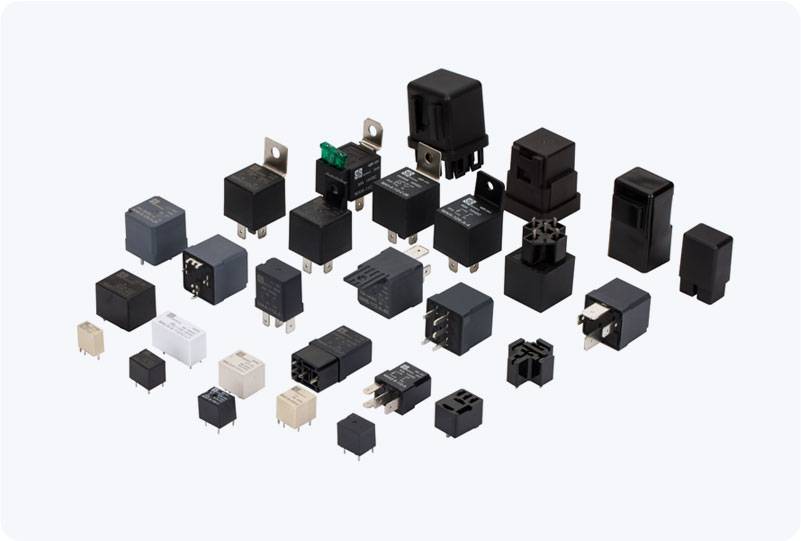
What is a New Energy Vehicle Relay? A relay is an electromechanical switch that can open or close electrical circuits. In the context of New Energy Vehicles, relays play a pivotal role in managing the flow of electricity from the high-voltage battery to various components of the vehicle. These relays are designed to handle high currents and voltages typical in electric vehicles (EVs) and hybrid electric vehicles (HEVs). Functions of New Energy Vehicle Relay High-Voltage Control: One of the primary roles of the New Energy Vehicle Relay is to switch high-voltage circuits on and off. This capability is essential for isolating the battery pack and ensuring the safe termination of electrical components. Safety is paramount in NEVs, and relays provide the necessary isolation from high-voltage sources during maintenance or in emergency conditions.