The Starter Motor Relay plays a crucial role in the operation of a vehicle’s starting system. This unassuming electrical component helps ensure that the high current required by the starter motor is delivered reliably and efficiently. Understanding how it works, its function, and common issues can help drivers and automotive technicians troubleshoot and maintain the system effectively. In this article, we’ll explore the role of the starter motor relay, its components, how it works, and how to identify potential issues.
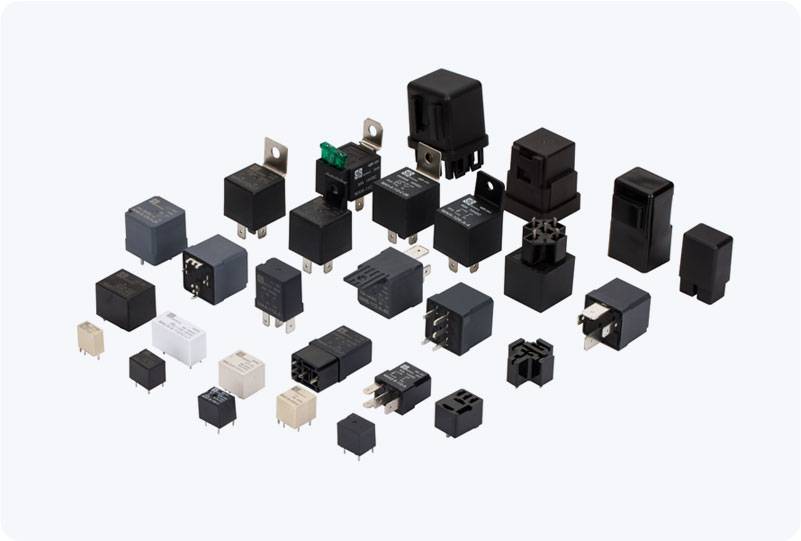
1. What is a Starter Motor Relay? The starter motor relay, sometimes referred to as a starter solenoid, is a type of electromagnetic switch that connects the starter motor to the car’s battery. It is designed to handle large amounts of current — typically between 30 to 100 amps — that are required to turn the engine over when the ignition key is turned to the “start” position. The relay acts as a middleman between the ignition switch and the starter motor, ensuring that the starter motor only receives the current when the vehicle is ready to start. 2. The Function of the Starter Motor Relay