In recent years, automation has transformed many sectors, including agriculture and landscaping. Among the numerous innovations, the Watering System Solenoid Valve stands out as an essential component in modern irrigation systems. This small but crucial device enables automated control of water flow, contributing to efficient water usage, reduced labor, and improved crop yield. This article will explore the working principles, applications, advantages, and selection criteria for Watering System Solenoid Valves, highlighting their significance in optimizing irrigation practices.
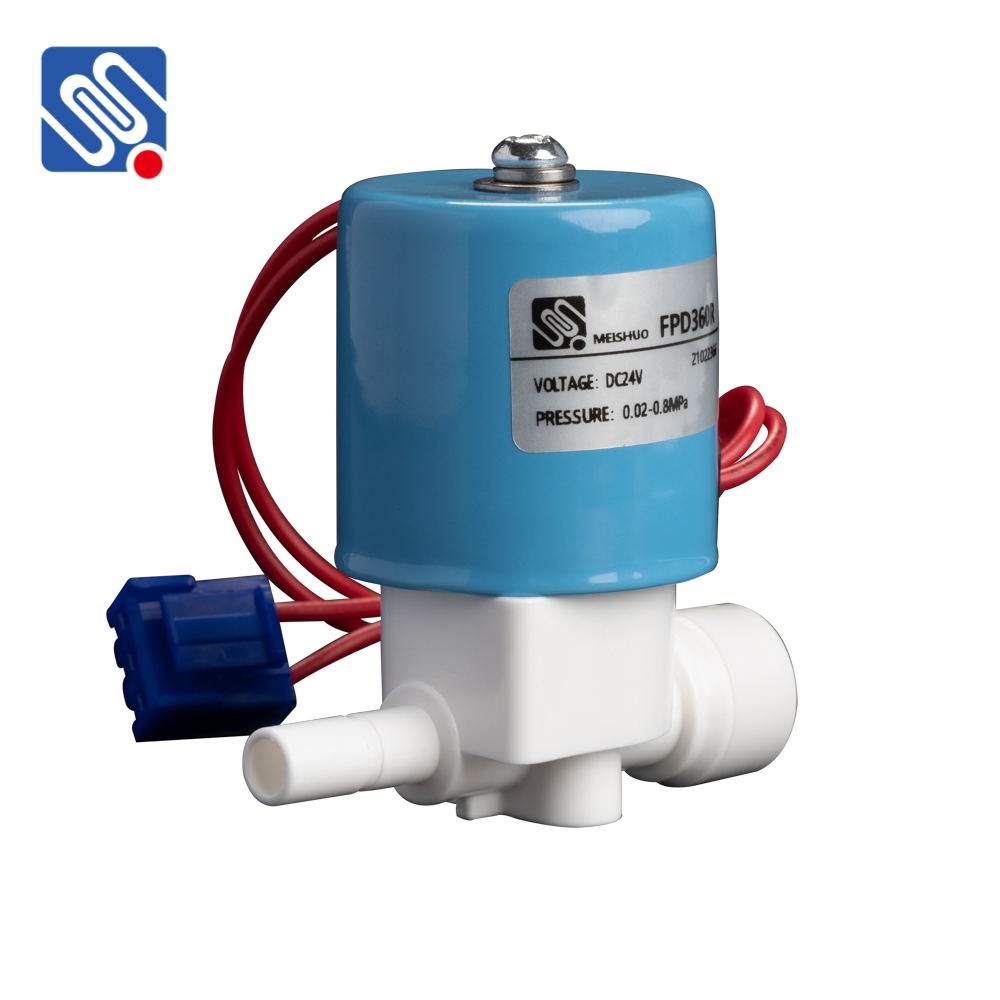
What is a Watering System Solenoid Valve? A Watering System Solenoid Valve is an electrically operated valve that controls the flow of water in irrigation systems. The term “solenoid” refers to an electromagnetic coil used to operate the valve. When electricity flows through the solenoid coil, it creates a magnetic field that moves a plunger, opening or closing the valve to regulate water flow. This mechanism allows for precise control of water distribution, whether for agricultural fields, lawns, or garden irrigation. How Does a Watering System Solenoid Valve Work? The operation of a solenoid valve in a watering system can be explained in simple terms: