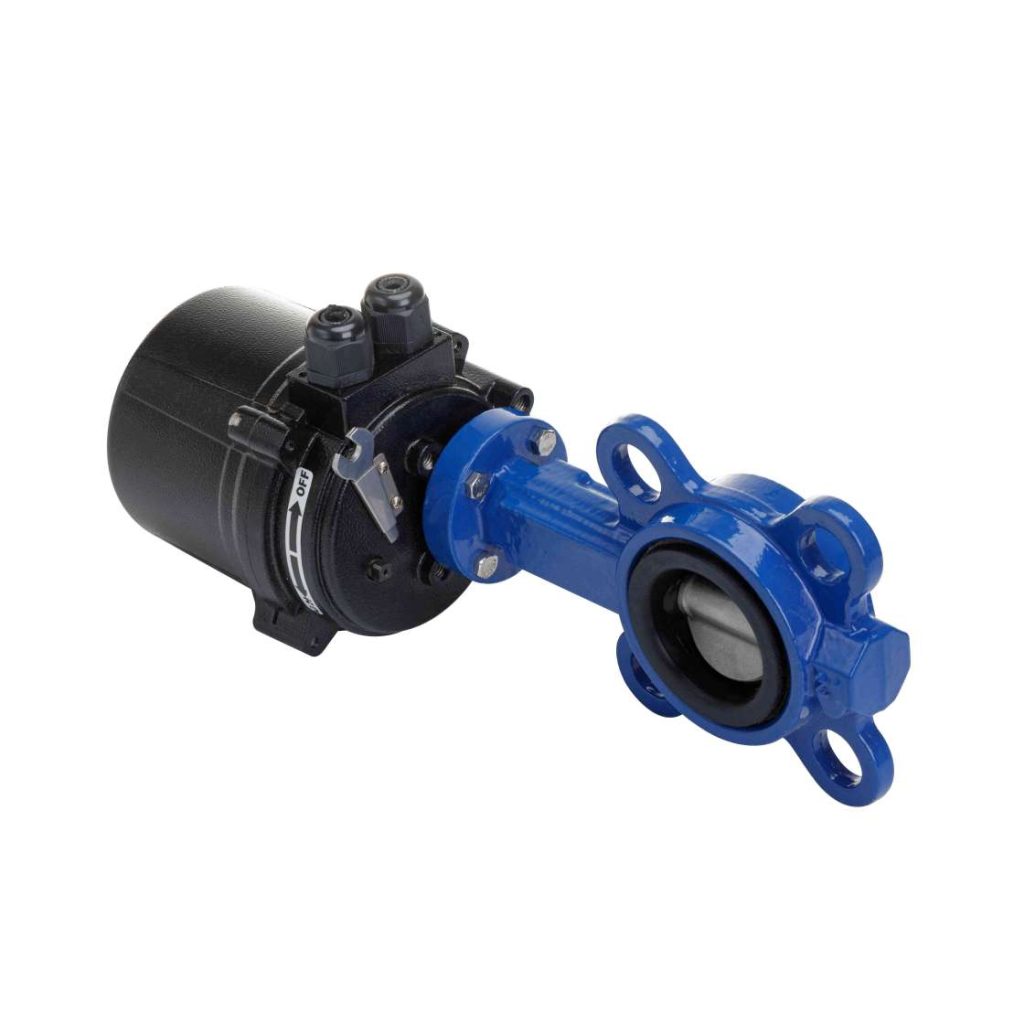
The WCB Electric Butterfly Valve is a crucial component in modern industrial systems, particularly in fluid control and automation processes. With its innovative design, durability, and high performance, this valve is widely used in various industries for regulating the flow of liquids and gases. This article will provide an in-depth overview of the WCB Electric Butterfly Valve, highlighting its features, benefits, applications, and why it is preferred in many industrial settings.
What is a WCB Electric Butterfly Valve?
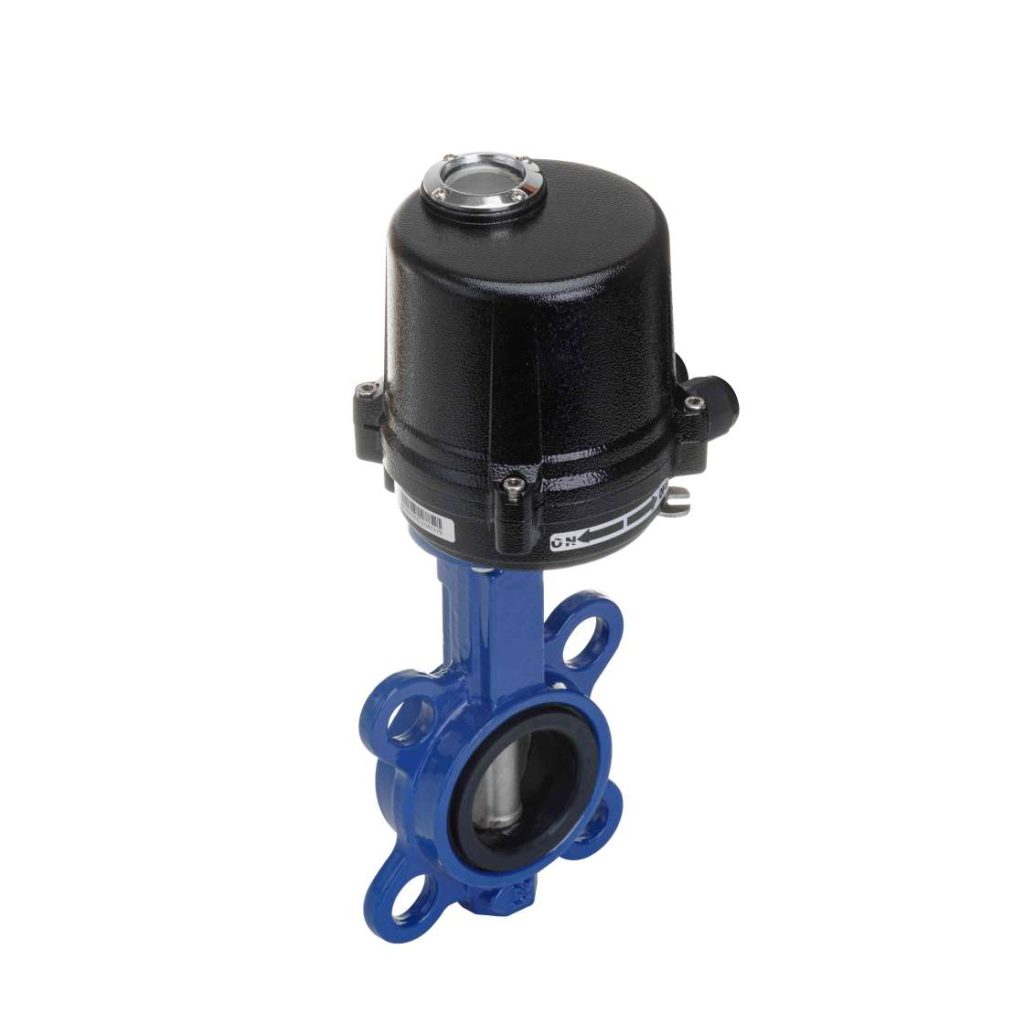
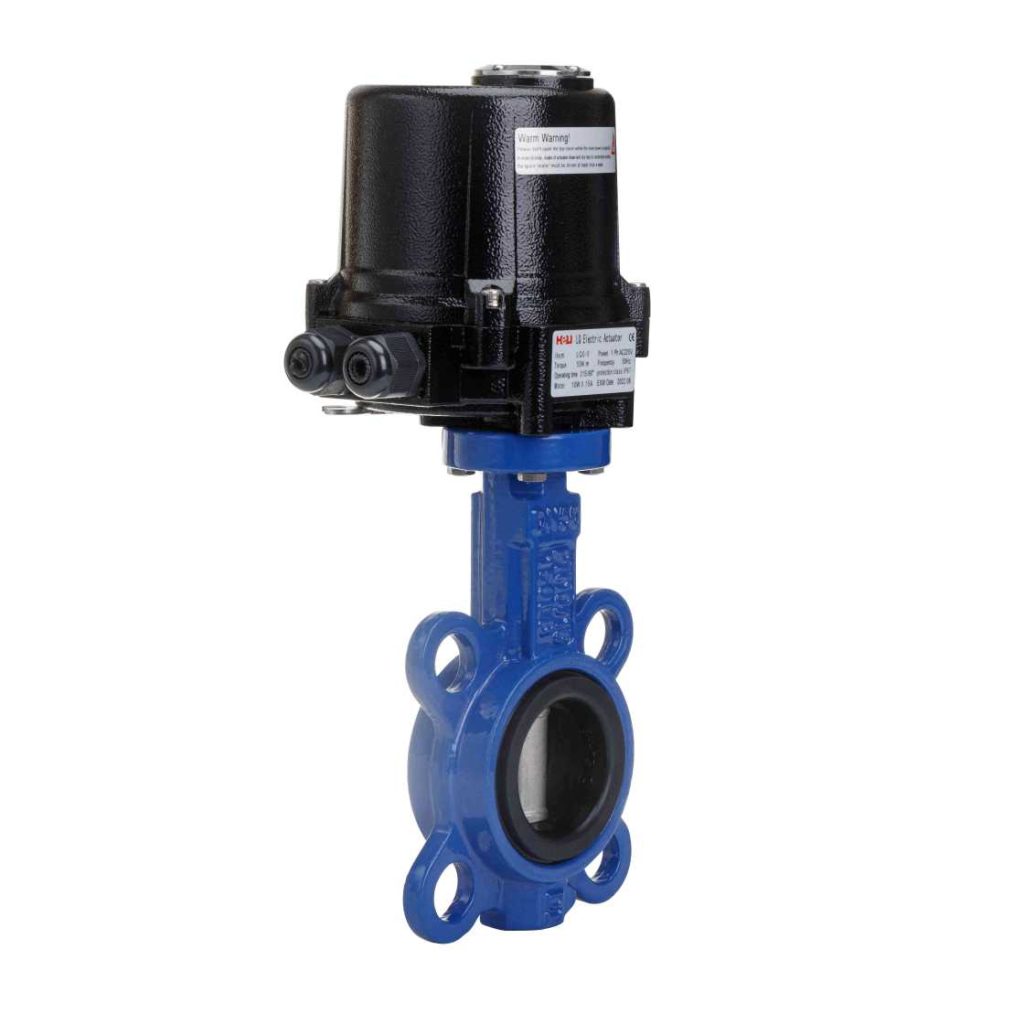
A WCB Electric Butterfly Valve is a type of valve that uses an electric actuator to control the rotation of a disc, which is mounted inside the valve body. The rotation of the disc regulates the flow of media through the valve, either fully opening or closing the flow path. The “WCB” in the name refers to the material of the valve body, which is made from WCB carbon steel, a common material for valves due to its excellent strength and resistance to corrosion and wear. The electric actuator is the driving force behind the valve’s functionality. It provides precise control over the valve’s operation and can be integrated with automated control systems, allowing for remote operation and monitoring. The WCB Electric Butterfly Valve is known for its ability to manage large volumes of fluid, making it ideal for high-demand applications in industries such as chemical processing, water treatment, power generation, and oil and gas.