When it comes to designing and installing industrial and commercial electrical systems, power distribution panels serve as the central hub for routing and managing electrical currents to different sections of a facility. Among the many components that keep these panels functional and safe, wiring duct for power distribution panels plays an often underappreciated but critical role in long-term system performance. Unlike random wire routing that can lead to tangled connections and overheating, properly selected and installed wiring ducts organize cables, improve airflow, simplify maintenance, and reduce the risk of electrical hazards. For electrical engineers, facility managers, and installation contractors, understanding the core benefits and best practices for wiring duct use can make a significant difference in the reliability and safety of any power distribution network.
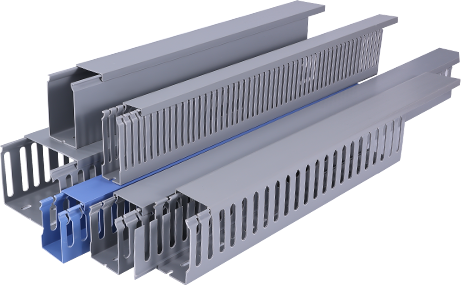
First, it is important to clarify what wiring duct for power distribution panels is and how it differs from general cable management solutions. Wiring ducts, also known as wire troughs or cable ducts, are specialized channel-shaped components designed specifically to hold and protect insulated electrical wires and cables within power distribution enclosures. They are typically manufactured from non-conductive materials such as rigid PVC, ABS plastic, or flame-resistant thermoset composites, which provide electrical insulation and prevent accidental short circuits between exposed wiring and the metal panel frame. Unlike open cable trays used for bulk routing outside panels, wiring ducts for distribution panels feature slotted or solid sidewalls that allow for easy access to individual cables while keeping them separated from main bus bars and other live components. This design addresses the unique space constraints and safety requirements of enclosed power distribution panels, where dozens of outgoing circuits must be organized in a compact footprint.
Secondly, the primary benefits of using purpose-built wiring duct extend far beyond basic cable organization, directly impacting the safety and efficiency of the entire power system. One of the most critical advantages is improved fire safety: high-quality wiring ducts are manufactured with flame-retardant materials that resist ignition and prevent the spread of fire along cable runs within the panel. This is particularly important in commercial and industrial facilities where power outages or electrical fires can lead to costly downtime and serious safety risks. Additionally, organized wiring ducts improve airflow within the panel enclosure, reducing heat buildup that can degrade insulation over time and cause premature failure of circuit breakers, contactors, and other sensitive components. Studies have shown that proper cable management with wiring duct can reduce internal panel temperatures by up to 10 degrees Celsius, extending the service life of electrical components by as much as 50 percent. For maintenance teams, wiring ducts also drastically reduce the time required to troubleshoot faults or add new circuits, since each cable is clearly routed and accessible without untangling a messy bundle of wires.
Another key consideration when selecting wiring duct for power distribution panels is matching the product specifications to the specific application requirements. Different facilities have different needs based on voltage ratings, environmental conditions, and the number of circuits being routed. For example, in industrial facilities with high vibration levels from heavy machinery, solid-wall wiring ducts with reinforced mounting brackets are preferred to prevent cables from shifting out of place over time. In indoor commercial applications with low humidity and mild temperatures, slotted PVC wiring ducts offer a cost-effective solution that balances accessibility and protection. It is also critical to select the correct size: the cross-sectional area of the wiring duct must be large enough to accommodate all cables with at least 20 to 30 percent extra space for future expansions, as overcrowding can restrict airflow and increase the risk of overheating. Additionally, for applications involving high-voltage circuits, using UL-listed or IEC-certified wiring duct ensures that the material meets strict insulation and flame resistance standards, reducing liability and ensuring compliance with local electrical codes.
In addition to product selection, proper installation practices are essential to maximizing the performance of wiring duct in power distribution panels. Many common issues, such as cable damage and poor accessibility, stem from incorrect installation techniques. For example, when cutting wiring duct to fit the panel dimensions, installers must remove all sharp burrs from cut edges to prevent them from damaging cable insulation, which could lead to short circuits over time. It is also important to leave adequate clearance between the wiring duct and live components such as bus bars and main lugs, following the minimum clearance requirements outlined in national electrical codes to prevent arc flash hazards. When routing cables, installers should separate power cables from control and communication cables within different ducts to reduce electromagnetic interference that can disrupt sensitive electronic equipment. This simple practice prevents signal noise that can cause incorrect readings from sensors or intermittent failures in automated control systems.
Finally, investing in high-quality wiring duct for power distribution panels delivers long-term value that far outweighs the initial upfront cost. While lower-cost generic ducts may seem like an attractive option for budget projects, they often use lower-quality materials that become brittle over time, crack under temperature fluctuations, or fail to meet flame resistance standards. Over the lifespan of a power distribution system, this can lead to higher maintenance costs, increased downtime, and greater safety risks. By selecting high-quality, code-compliant wiring duct and following best installation practices, facility owners can ensure that their power distribution systems remain safe, reliable, and easy to upgrade for decades. For anyone involved in the design, installation, or maintenance of electrical systems, recognizing the critical role of wiring duct is the first step toward building a more efficient and safer power infrastructure.