In modern electrical engineering, the protection of circuits and components is critical for ensuring safe and reliable operation. Among the various technologies used to achieve this, the Vacuum Arc Extinguishing Relay (VAER) stands out as an advanced and highly effective solution, particularly for high-voltage and high-current environments. This device, designed to extinguish electrical arcs quickly and reliably, has become an essential component in many electrical protection systems. In this article, we explore the working principles, features, and applications of the Vacuum Arc Extinguishing Relay, shedding light on its importance in the world of electrical engineering.
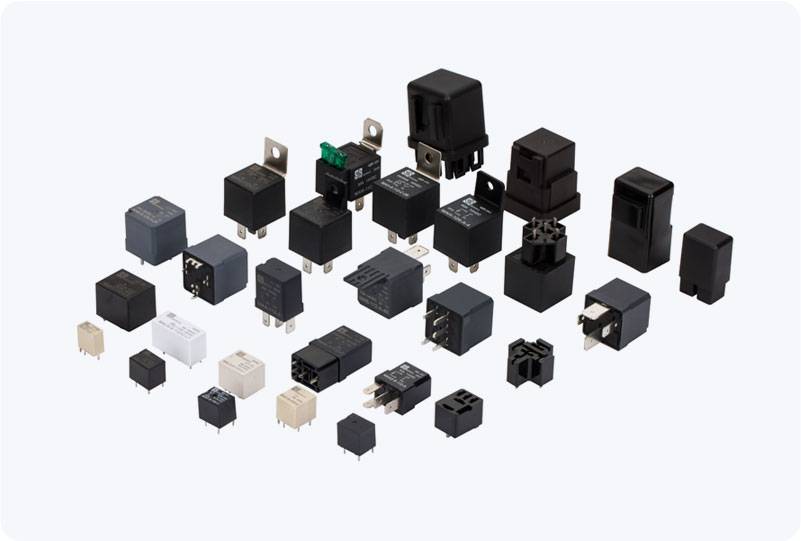
Understanding the Vacuum Arc Extinguishing Relay A Vacuum Arc Extinguishing Relay is a type of relay that utilizes a vacuum environment to suppress the formation of electrical arcs. Electrical arcs are a common phenomenon in high-voltage circuit breakers and switches, occurring when current is abruptly interrupted. These arcs can cause significant damage to the circuit components, create fire hazards, and lead to long-term reliability issues. However, the vacuum environment within the VAER ensures that any arc formed during the switching process is swiftly extinguished, preventing damage to the circuit.