The WCB Electric Single Seat Regulating Valve is a pivotal component in various industrial applications, designed to regulate the flow of fluids with precision and efficiency. Its unique construction and functionality make it an essential tool in sectors such as water treatment, oil and gas, chemical processing, and HVAC systems. This article will delve into the characteristics, advantages, applications, and operational principles of the WCB Electric Single Seat Regulating Valve.
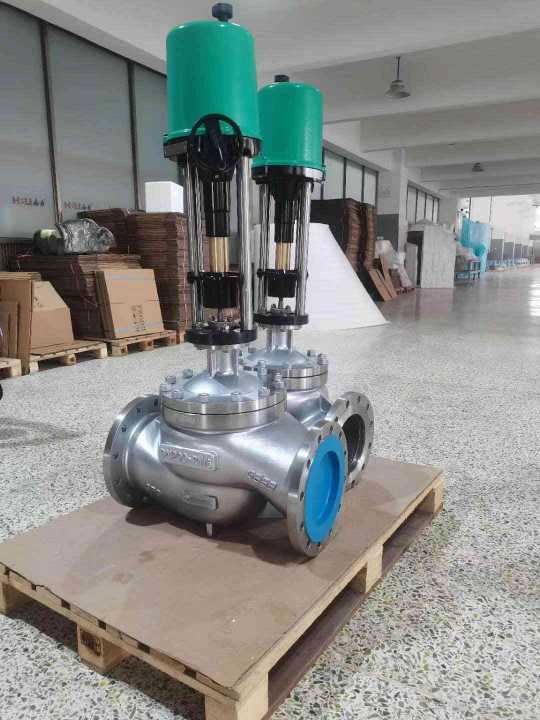
Design and Features The WCB Electric Single Seat Regulating Valve boasts a streamlined design that ensures effective flow regulation. It features a single seat design, which minimizes turbulence and promotes smooth flow. The valve body is typically made of high-quality materials such as cast iron, carbon steel, or stainless steel, providing durability and resistance to corrosion. One of the standout features of this valve is its electric actuator, which allows for precise control over the valve position. This actuator can be easily integrated with various control systems, enabling automated operation. Additionally, the valve often comes equipped with positioners and feedback devices that enhance its performance by providing real-time data on the valve’s status. This integration of advanced technology allows for improved efficiency and reliability in fluid management processes.