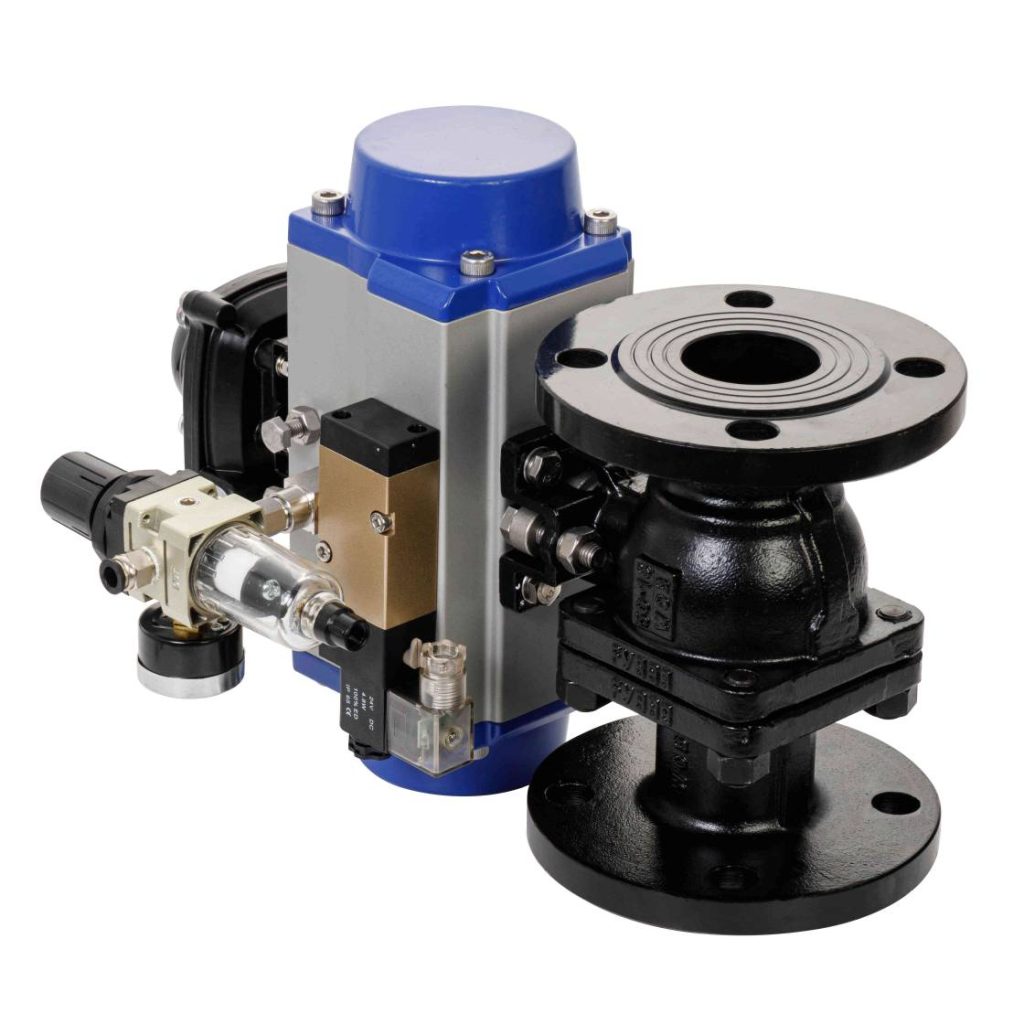
The WCB Pneumatic Ball Valve is a critical component used in various industrial applications to regulate fluid flow. Its primary function is to control the passage of liquids and gases through pipelines. The “WCB” in the name refers to the material of the valve body, specifically a carbon steel casting (ASTM A216 WCB). This article will delve into the components, working principle, key advantages, and typical applications of the WCB Pneumatic Ball Valve.
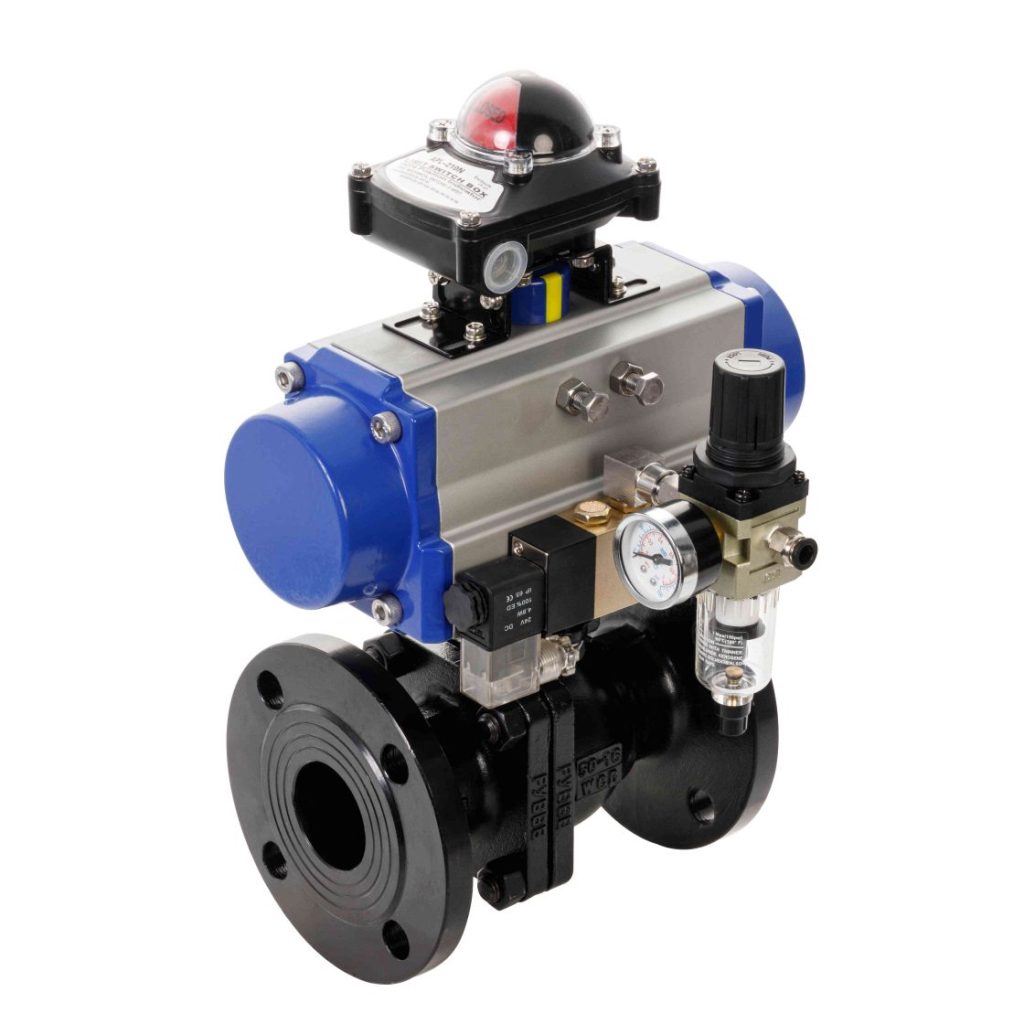
1. Understanding the Components of WCB Pneumatic Ball Valve
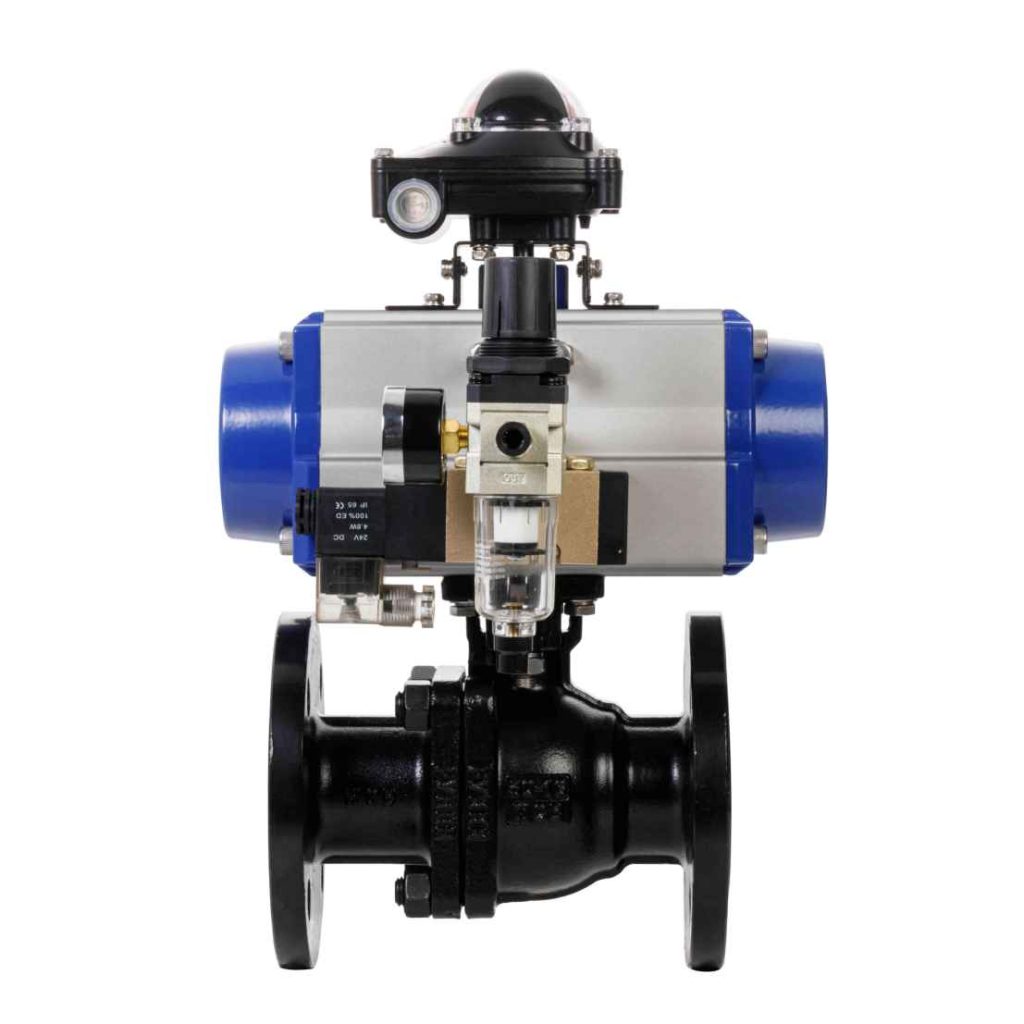
The WCB Pneumatic Ball Valve consists of several important components that work together to provide reliable and efficient flow control: Valve Body (WCB): The body is made from ASTM A216 WCB carbon steel, which is durable, cost-effective, and able to withstand high pressure and moderate temperatures. This material is commonly used for valves that need to handle general industrial fluids. Ball: The ball inside the valve has a hole through its center and is responsible for the opening and closing action. It rotates 90 degrees to either block or allow the passage of the fluid. The ball is usually made from stainless steel or other corrosion-resistant alloys.