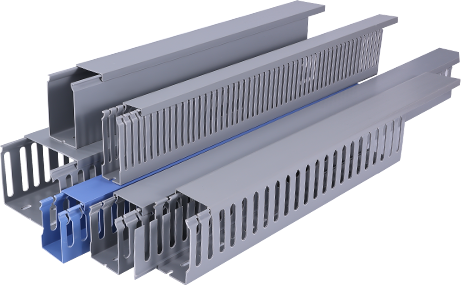
As the global transition to renewable energy accelerates, the demand for robust, long-lasting electrical infrastructure grows alongside it. Among the many critical components that keep renewable energy systems running smoothly, wiring duct for renewable energy applications stands out as an unsung hero, providing organization, protection, and safety for the complex network of cables that power everything from utility-scale solar farms to residential wind turbine setups. Unlike standard wiring ducts used in commercial buildings, these specialized components are engineered to withstand extreme environmental conditions, meet unique regulatory requirements, and support the decades-long service life expected of renewable energy assets. Choosing the right wiring duct can mean the difference between a low-maintenance, high-efficiency system and one plagued by costly downtime and safety hazards.
First, it is important to understand the unique challenges that renewable energy installations pose for cable management, which sets specialized wiring duct apart from conventional alternatives. Most renewable energy systems are deployed outdoors, whether that means ground-mounted solar arrays exposed to temperature swings, ultraviolet radiation, and moisture, or offshore wind farms subjected to saltwater corrosion and high wind speeds. Even rooftop solar installations face consistent temperature fluctuations from freezing nights to scorching midday sun, which can cause standard plastic wiring ducts to become brittle, crack, or degrade over time. Additionally, renewable energy systems often involve long cable runs between power generation points, inverters, and grid connection points, creating a need for structured cable organization that simplifies maintenance and reduces the risk of cable damage from abrasion or wildlife interference. Specialized wiring duct for renewable energy applications is designed from the ground up to address these challenges, with material formulations and structural designs that resist weathering, corrosion, and physical impact.
Secondly, the material selection for wiring duct in renewable energy applications is a critical decision that directly impacts system performance and longevity. The most common materials used today are UV-stabilized polyvinyl chloride (PVC), halogen-free polypropylene (PP), and fiberglass-reinforced plastic (FRP), each with specific use cases. UV-stabilized PVC is a cost-effective option for small to mid-scale installations like rooftop solar, offering excellent resistance to moisture and UV damage at a lower price point than more advanced materials. Halogen-free PP is ideal for enclosed spaces like inverter stations and battery energy storage systems paired with renewable generation, as it releases no toxic fumes if exposed to fire, improving overall site safety. For the harshest environments, such as offshore wind substations or desert solar farms, FRP wiring duct provides unmatched corrosion resistance and structural strength, able to withstand salt spray, extreme temperatures, and heavy physical loads for 30 years or more with minimal degradation. Many manufacturers also offer metal wiring duct options for high-voltage applications, though non-metallic variants have become the preferred choice for most renewable projects due to their lower weight, easier installation, and natural insulation properties.
Additionally, properly selected wiring duct delivers long-term value beyond basic cable protection by simplifying maintenance and reducing operational costs over the life of a renewable energy system. Renewable energy assets are designed to operate for 25 to 30 years, and regular maintenance, inspections, and occasional system upgrades are inevitable. When cables are neatly organized in labeled wiring ducts, technicians can quickly identify specific circuits, trace faults, and add new cables without disrupting the entire system. This reduces labor time during maintenance visits and minimizes downtime, which directly translates to higher energy output and greater revenue for system owners. For utility-scale projects with thousands of cables, good cable management also reduces the risk of human error during maintenance, such as accidental disconnection of the wrong circuit, which can cause extended outages and costly repairs. Furthermore, wiring duct prevents cable damage from rubbing against sharp metal edges or being stepped on during maintenance, extending the service life of expensive power and control cables and reducing replacement costs over time.
Furthermore, modern wiring duct innovations are adapting to meet the evolving needs of emerging renewable energy technologies, particularly the rapid growth of paired battery energy storage systems (BESS). BESS installations require high-capacity cable management for high-voltage DC cables between batteries and inverters, and they have strict requirements for thermal management and fire safety. New wiring duct designs for BESS applications include integrated ventilation slots that improve heat dissipation, preventing overheating of high-current cables and reducing fire risk. They also incorporate modular designs that allow for easy expansion as energy storage capacity is added, which is a common practice as renewable energy projects scale up over time. For floating solar installations, which are becoming increasingly popular in areas with limited land, waterproof, buoyant wiring duct solutions have been developed to resist constant water immersion and prevent moisture damage to cables.
In conclusion, wiring duct for renewable energy applications is far more than a simple organizational accessory—it is a critical component that underpins the reliability, safety, and long-term profitability of renewable energy infrastructure. As the renewable energy sector continues to grow and technologies evolve, the demand for specialized wiring duct that can meet unique environmental and operational challenges will only increase. By understanding the specific requirements of their installation, choosing the appropriate material, and leveraging modern design innovations, project developers and system owners can ensure their cable management systems support decades of efficient, safe operation. Investing in high-quality specialized wiring duct from the outset delivers significant long-term value, reducing maintenance costs, minimizing downtime, and protecting the substantial capital investment that renewable energy projects represent.