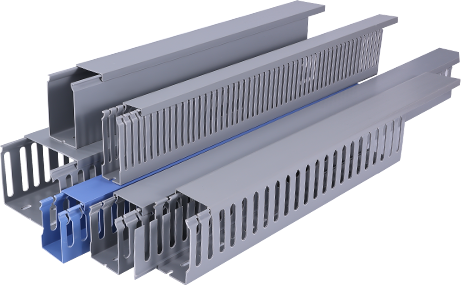
As smart factory automation continues to redefine global manufacturing, every component of production infrastructure plays a critical role in ensuring long-term efficiency, adaptability, and safety. Among the many unsung heroes of modern factory design, wiring duct stands out as a foundational element that directly impacts the performance of interconnected automation systems. Unlike traditional wiring setups used in legacy manufacturing facilities, purpose-built wiring duct for smart factory automation is engineered to accommodate the dense, dynamic network of sensors, controllers, robotic arms, and industrial IoT devices that power today’s connected production lines. Choosing the right wiring duct solution is no longer a minor design afterthought; it is a strategic decision that can reduce maintenance costs, minimize downtime, and support future expansion as automation capabilities evolve.
First, wiring duct addresses core challenges that come with the high density of electrical and data cabling in smart factories. Modern automated production lines can hold thousands of individual cables, carrying everything from high-voltage power for industrial machinery to low-voltage data signals for IoT sensors and real-time communication systems. Without organized containment, tangled cables create multiple risks: they block access for maintenance technicians, trap heat that can degrade insulation and shorten component lifespan, and increase the risk of short circuits or electrical fires that cause unplanned downtime. Purpose-designed wiring duct organizes cables by function, separates power and data lines to reduce electromagnetic interference that can disrupt sensitive sensor readings and communication signals, and keeps walkways and equipment access points clear of obstructions. This organization not only improves workplace safety for factory staff but also cuts down the time required to diagnose and fix wiring-related issues, which is a major contributor to unplanned downtime in automated facilities.
Secondly, modern wiring duct solutions are designed to support the scalability that is central to smart factory strategy. Unlike permanent, hardwired cable installations that require major renovations to modify, modular wiring duct systems can be easily reconfigured as production lines are updated, new automation equipment is added, or factory layouts are adjusted to meet changing production demands. Many manufacturers now offer wiring duct with snap-on covers, pre-drilled mounting holes, and customizable slot designs that allow technicians to add or re-route cables in a fraction of the time required for traditional installations. This flexibility is particularly valuable for smart factories that leverage agile manufacturing practices, where production lines are frequently retooled to handle small-batch, custom product orders. When a factory needs to integrate a new robotic work cell or add a batch of environmental sensors to monitor production conditions, a well-designed wiring duct system allows the upgrade to be completed without shutting down entire production lines for days at a time.
In addition to organization and scalability, modern wiring duct for smart factory automation is built to withstand the harsh operating conditions common in industrial environments. Many factories experience extreme temperature fluctuations, exposure to dust, moisture, chemicals, and vibration from heavy machinery, all of which can degrade low-quality wiring containment over time. Leading manufacturers produce wiring duct from engineered thermoplastics or coated metals that resist corrosion, UV damage, chemical exposure, and impact, ensuring a service life of 20 years or more even in demanding settings like automotive assembly plants or food and beverage processing facilities. For food and pharmaceutical manufacturing, where hygiene is a top priority, some wiring duct options are designed with smooth, non-porous surfaces that resist bacterial growth and can withstand regular washdowns with industrial cleaning chemicals. This durability reduces the need for frequent replacement of wiring components, lowering long-term operational costs and reducing the risk of unexpected failures.
Furthermore, modern wiring duct systems contribute to improved energy efficiency and sustainability in smart factories. Proper cable organization provided by wiring duct improves airflow around electrical components, reducing heat buildup that causes motors, controllers, and power distribution units to work harder and consume more energy. By separating power cables and data cables effectively, wiring duct also minimizes energy loss from electromagnetic interference, which can waste energy and disrupt data transmission. Additionally, many wiring duct manufacturers now produce products from recycled materials and design them for disassembly and reuse, aligning with the growing focus on circular economy practices in manufacturing. This combination of energy savings and sustainable materials helps smart factories meet their environmental goals while lowering operational overhead.
In conclusion, wiring duct for smart factory automation is far more than a simple cable management accessory; it is a critical enabler of the flexibility, reliability, and efficiency that define modern manufacturing. By providing organized cable containment, supporting scalable reconfiguration, withstanding harsh industrial conditions, and contributing to improved energy sustainability, high-quality wiring duct systems lay the groundwork for successful long-term automation implementation. As smart factories continue to evolve and integrate more connected technologies, investing in purpose-built wiring duct solutions will remain a key strategic decision for manufacturers looking to maximize the return on their automation investments. Factory designers and operations managers who prioritize thoughtful wiring duct design from the initial planning stage will be well-positioned to adapt to future changes, minimize downtime, and maintain a safe, efficient production environment for years to come.